These days, an oversized labia is one of the most common concerns for many women across the world. While some may feel conscious about their size, look, or shape, other women may constantly feel uncomfortable doing daily tasks or wearing clothes like leggings, bathing suits, and jeans. The good news is that this can be avoided with labiaplasty a surgical procedure to reshape and resize your labia according to your needs. It improves health and cosmetic concerns by addressing and treating the size, shape, and symmetry of the labia, minimizing discomfort and enhancing self-esteem.
To learn more about labiaplasty, continue reading.
What is Labiaplasty?
Some women may have large labia minora (inner lips) from birth. Similarly, some women may also develop this after giving birth. This can cause pain and discomfort, particularly when engaging in vigorous activity. As a result, labiaplasty is performed to resize and reshape the labia to minimize pain and discomfort. In order to improve the look and/or alleviate discomfort, a labiaplasty treatment reshapes the labia.
Depending on your reason for undergoing labiaplasty, your surgeon may:
- Reduce the size of your labia by removing some of its tissue.
- Enlarge your labia by injecting them with fat or filler.
- Reconstruct your labia using different tissues.
What Happens Before Labiaplasty?
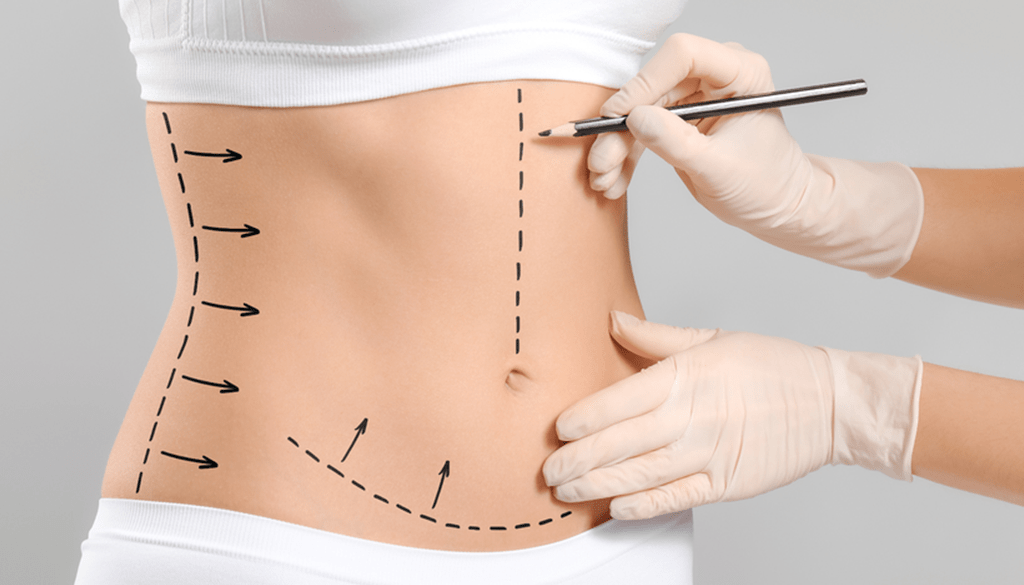
Before labiaplasty, you will visit your surgeon for consultation. During this visit, your surgeon will perform a physical examination to assess the situation. They will discuss all the potential side effects and risks of the procedure. They will also ask about your goals and expectations. You can ask them questions and clear up your doubts, too. Next, your surgeon will describe the details of your procedure, including where they’ll make the incisions and what to expect regarding changes to the size and form of your labia.
Additionally, you will receive instructions from your surgical team regarding:
- The appropriate attire for your treatment.
- When to quit drinking and eating.
- When to modify or temporarily cease using specific drugs.
The Procedure
On the day of the labiaplasty, you will be required to put on a surgical gown. Your vitals (temperature, pulse, blood pressure, oxygen saturation, and respiration rate) will be taken by a medical professional. You might undergo additional urinalysis and blood tests. In addition to inserting a urine catheter into your urethra, your surgeon may insert an intravenous line (IV) into your hand or arm.
Your healthcare provider will clean your labia and surrounding skin, and if necessary, shave your pubic region. After that, anesthetics will be administered. Depending on the operation, you can have general anesthesia or IV sedation in conjunction with local anesthesia. Depending on how your labia (labia majora and/or labia minora) will be resized or reshaped, your provider will select the surgical procedure. They typically use a laser, scissors, or scalpel to perform labiaplasty.
What Happens After Labiaplasty?
Your labia, both the labia minora and labia majora, may be quite swollen in the initial days after surgery. Even the skin surrounding your clitoris may feel hot to the touch, swollen, and red. These symptoms may be experienced the most between 1-5 days after the surgery. The skin in this area may be swollen a lot, so there’s no need to worry. It will take some time, typically a few weeks, to see the final results.
Is Labiaplasty Painful?
You won’t experience much discomfort during the treatment because you will be given either a local or general anesthetic. During the healing phase, you might experience soreness, but this is typically mild and manageable with over-the-counter or prescription pain relievers.
In the first few weeks following the procedure, you can also experience some soreness, bruising, and swelling, which could make sitting or urinating uncomfortable. Until the region has completely healed, refrain from wearing tight clothing or exerting pressure on it.
Ideal Candidates
Just like any other surgical procedure, not everyone will be a good candidate for the labiaplasty procedure. You must, first and foremost, be in good physical health, abstain from smoking, and have no health issues that could endanger you during surgery. Before starting the treatment, your surgeon will evaluate your health and perform a physical examination to make sure you are healthy enough for surgery and that your expectations can be fulfilled.
Is the Labiaplasty Recovery Long?
Generally, labiaplasty recovery isn’t very long. However, you have to be careful and follow guidelines.
- After the procedure, a simple dressing will be applied to the area to absorb any discharge.
- The day after surgery, patients are advised to take a shower and gently wash the surgical site. Remember, maintaining a clean and infection-free environment is crucial.
- The surgery site may experience some discomfort, bruising, and swelling, but these side effects usually go away in a few days.
- Since physical exercise is not advised for four weeks, patients will need to take a few days off from work to recuperate before returning to their regular activities.